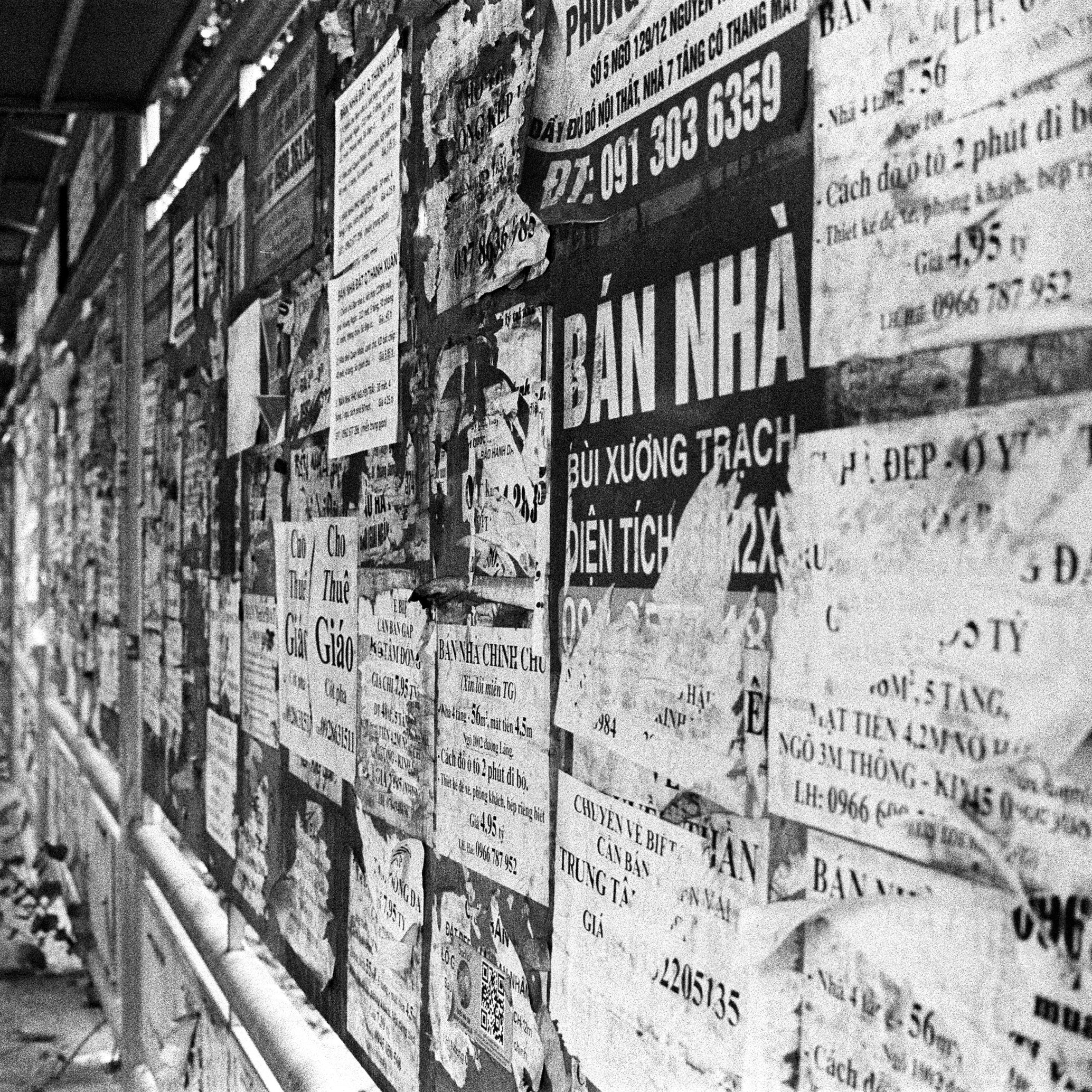
Look closely enough, and we can see it.
How the shape of a society is not abstract.
Not something distant, decided somewhere else.
By someone else.
Society is made visible by how people move.
How they speak.
What they tolerate or refuse.
Its shape is held in the smallest interactions.
The unnoticed. The unrecorded.
Where character is not performed, but revealed.
This is the architecture.
Not policies or leadership.
But people.
Always people.
And right now, if we’re honest, our shape feels… unstable.
Not because we lack information.
We’re flattened by constant streams of what other people think they know.
And surrounded by examples of where we refuse to hold.
Public figures who fracture under scrutiny.
Neighbors who bend away from decency.
Voices that speak loudly but carry no weight.
And it would be easy, so easy,
to let that be the standard.
To adjust downward.
To excuse more.
To expect less.
That is how the structure collapses.
Not all at once.
But through quiet acquiescence.
Through the moment we believe:
“It’s not my responsibility to be better than what I see.”
Except it is.
Because the shape does not correct itself from the top down.
It is held, or lost, with each of us.
That means:
Who we are when no one is watching
matters.
What we allow ourselves to justify
matters.
The standards we keep, quietly and consistently,
matter.
Because we are each part of the structure
everyone else has to live inside.
And this is the part that asks something real of us. Not defined by outside sources, but refined through the layers of our own knowing:
We do not get to outsource our integrity
to the quality of the examples around us.
We do not get to lower our standard
because those around us have lowered theirs.
We do not get to abandon our own clarity
because confusion is the shepherd of the people.
Here is where we hold strong to ourselves.
In the absence of strong models,
responsibility doesn’t disappear.
It transfers.
To you.
To me.
And yes—there is a cost.
Because breaking from the herd always has a fee.
It may cost stability.
Or agreement.
Or belonging in spaces that require us to be less than we are.
But there is another cost, too—
quieter, but far more permanent:
The cost of knowing we abandoned our standards
to match lesser ones.
And that is a cost that accumulates.
Not just in us—
but in the world we are shaping together.
Every time one of us holds a line,
something stabilizes.
Every time someone chooses clarity over convenience,
something strengthens.
Every time you refuse to become smaller
just because the models around you are bigger
our structure holds.
Even if no one names it.
Even when no one applauds it.
We hold.
So the question is not:
“Who is showing me how to be?”
But rather:
Am I willing to be my truth—
even when no one recognizes me?
And if enough of us choose our truth
not perfectly, but honestly,
Our shape changes.
It always does.
Because it was never held anywhere else.
It was always
Us.
Discover more from MesmerSoul
Subscribe to get the latest posts sent to your email.